Electrical & Computer Engineering

Dibakar Roy

ECE graduate with research interests in brain-computer interfaces, neural engineering, intracortical speech decoding, EEG signal processing, and biomedical machine learning.

Rajshahi University of Engineering & Technology (RUET), Bangladesh

About

I completed my BSc in Electrical & Computer Engineering at RUET in 2026. My undergraduate research examined parameter-efficient cross-session calibration for intracortical speech decoding and subject-independent EEG workload classification.

I am interested in neural signal processing, brain-computer interfaces, and adaptive neural-decoding methods that remain reliable across people, recording sessions, and sensor configurations. I also enjoy building software and embedded systems that translate technical ideas into usable tools.

During my undergraduate studies, I served as a class representative, supported university and American Center events, and represented my department in competitive sports.

Research interestsNeural decodingEEGBrain-computer interfacesCross-session neural adaptationAdaptive neural decodingBiomedical machine learning
01

Research

Selected undergraduate research in neural engineering and EEG-based machine learning.

Undergraduate thesis · Intracortical BCI

Rapid parameter-efficient calibration for cross-session speech decoding

A cross-session intracortical speech decoding framework evaluated on the public T12 and T15 datasets. Its input-space calibration strategy updates only 65,792 parameters—less than 0.05% of the complete decoder—while keeping the BiGRU encoder and CTC classifier frozen.

  • Strict chronological training, validation, and held-out future-session evaluation
  • T12 macro phoneme error rate reduced by 11.37% and 15.51% with 40 and 80 calibration trials
  • Up to 10.05% relative improvement on independent T15 evaluation

EEG · Workload classification

Baseline-aware EEG classification

A subject-independent EEG workload classification study using leakage-safe evaluation, reduced electrode configurations, and nested leave-one-subject-out validation.

  • EEGMAT and STEW datasets with nested leave-one-subject-out validation
  • Reduced and shared montages with handcrafted and Riemannian features
  • Balanced accuracy of 0.8199 on EEGMAT and 0.8519 on STEW
02

Publications

Peer-reviewed and accepted work listed in reverse chronological order.

  1. Neurocomputing · Elsevier · 2026

    Rapid Parameter-Efficient Calibration for Cross-Session Intracortical Speech Decoding: Cross-Dataset Evaluation

    Submitted · With Editor
  2. QPAIN · 2026

    Fast Label-Free Cross-Session Calibration for Intra-Cortical Speech Decoding

    PublishedDOI
  3. ECCT · Taylor & Francis · 2026

    Baseline-Aware Practical Framework for EEG Workload Classification with Reduced Electrodes Across Multiple Datasets

    Accepted · PresentedScholar
  4. IEEE ICCIT · 2025

    Hardware-Aware RIS-Assisted ISAC with Quantized Feedback: A Robust DRL Framework

    PublishedDOI
  5. IEEE EICT · 2025

    Learning-Augmented RIS-Aided Hybrid Beamforming for Secure and Low-Latency Transmission

    PublishedDOI
03

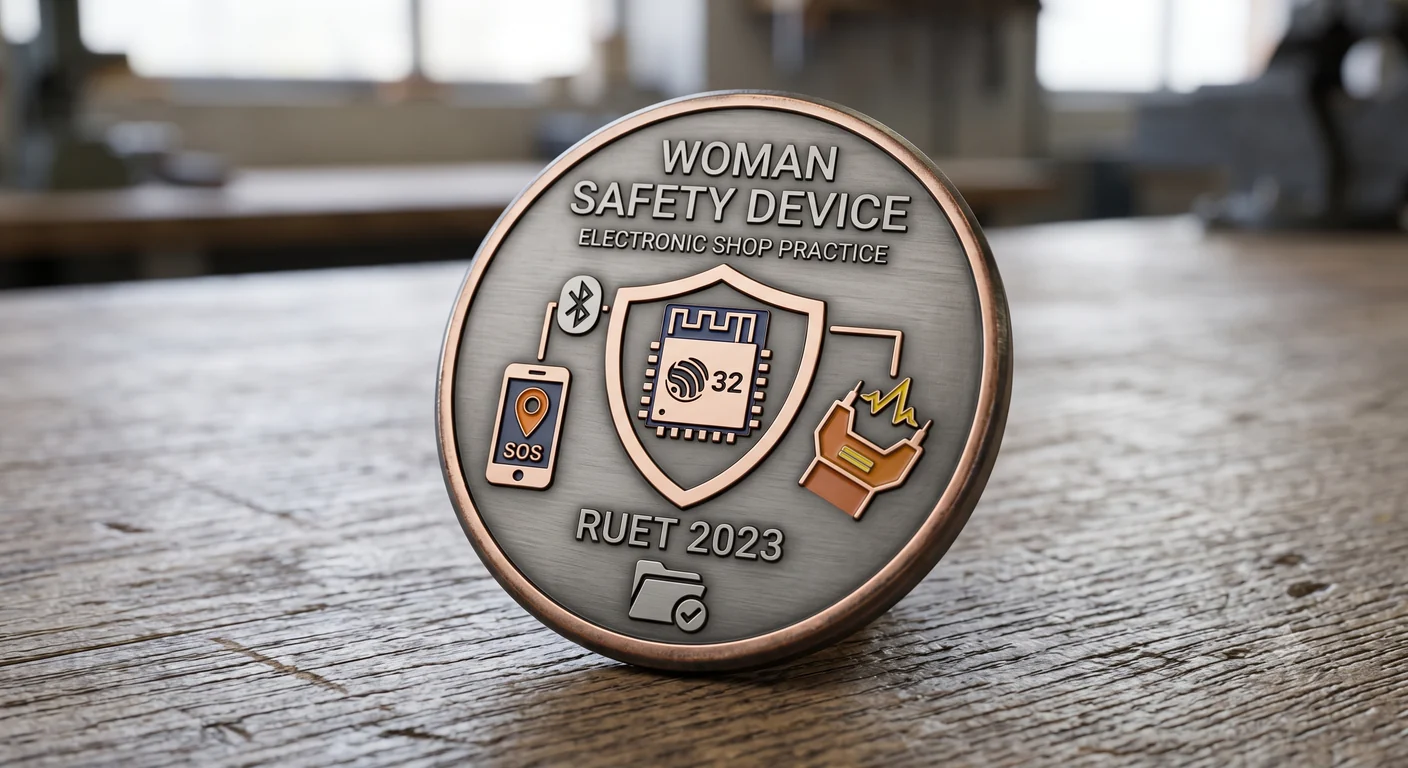
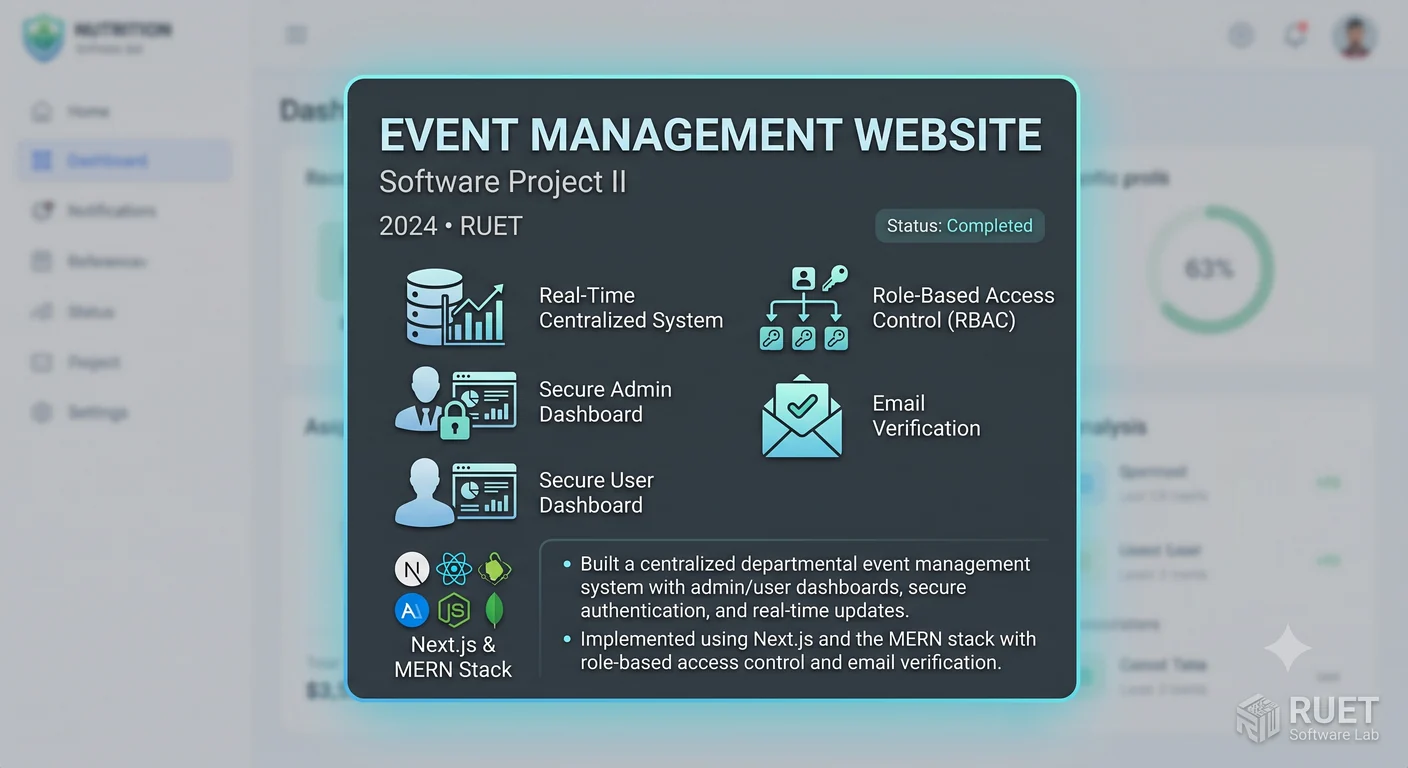
Academic and software projects

Coursework and independent projects across web development, embedded systems, and applied engineering.

04

Background

Education · 2022–2026

Rajshahi University of Engineering & Technology

BSc in Electrical & Computer Engineering · CGPA 3.39 / 4.00

Technical background

Programming
Python, MATLAB, C++, JavaScript
Neural signals
MNE-Python, EEG preprocessing, spectral analysis
Research tools
LaTeX, Jupyter, Git, reproducible workflows
Development
Next.js, MERN stack, HTML, CSS

Industrial training · 2025

BJIT Academy

SDLC, Agile/Scrum, Python OOP, and software quality assurance.